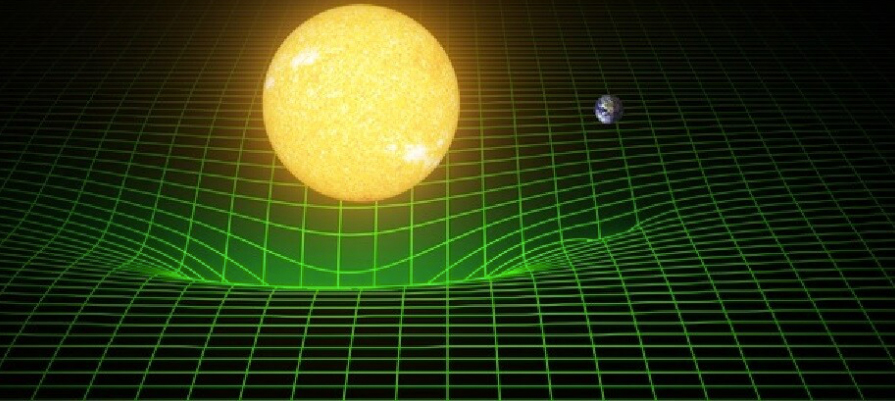
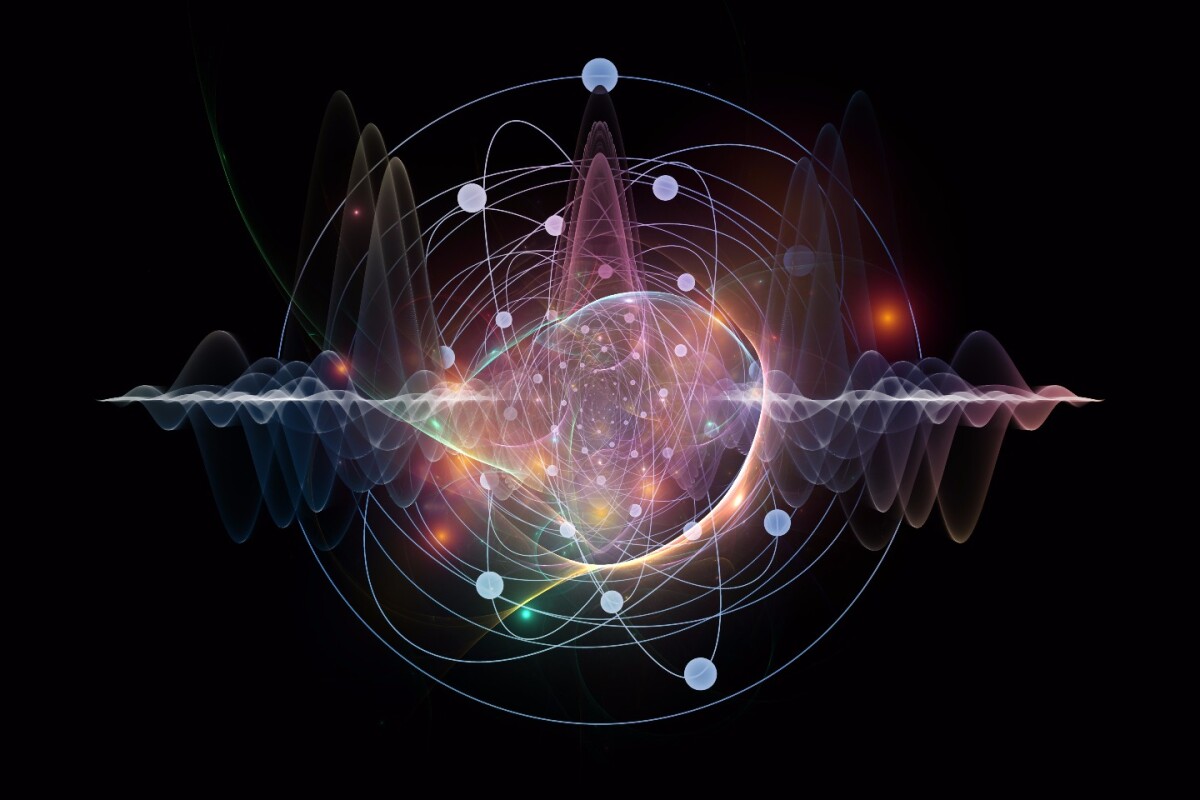
In physics, a Theory of Everything would bring about the unification of the two present Grand Theories of the universe—the Theory of General Relativity, which elegantly describes the gravitational interactions of massive bodies, such as stars, galaxies, and black holes, and the Theory of Quantum Mechanics, which meticulously examines the behavior of subatomic particles like electrons, protons, and neutrons. This quantum framework has already successfully unified the electromagnetic force, the strong nuclear force, and the weak nuclear force, highlighting the intricate connections between various fundamental forces. The pursuit of a Theory of Everything is driven by the desire to reconcile the macroscopic phenomena governed by general relativity with the probabilistic and often counterintuitive nature of quantum mechanics. Such a theory would not only combine these two remarkable domains of physics to form a cohesive Grand Theory but also hold the potential to explain the fundamental behaviors of both the massive celestial bodies shaping our universe and the elusive subatomic particles that constitute all matter. Ultimately, this unification could lead to a deeper understanding of the cosmos, unveiling the underlying principles that govern all physical interactions and enhancing our ability to predict and manipulate the laws of nature at every scale, from the tiniest particles to the vastest galaxies.
 trewcreations.uk